World Maritime Day, September 25, Global
Sometimes the ocean feels like a quiet backdrop to our lives, a blue line on a map or a view from a window seat on a long-haul flight. But pause for a moment and think about the unseen highways stretching across those waters, carrying everything from food to medical supplies to the phone or laptop you’re reading this on. World Maritime Day exists mostly as a reminder that modern life, with all its comforts, is astonishingly dependent on the rhythms of global shipping. Around 90% of world trade moves by sea, and that number isn’t shrinking. Massive container vessels glide across open oceans following schedules that look almost surgical in precision, guided by satellite navigation, weather modeling, port coordination and—still, crucially—human experience.
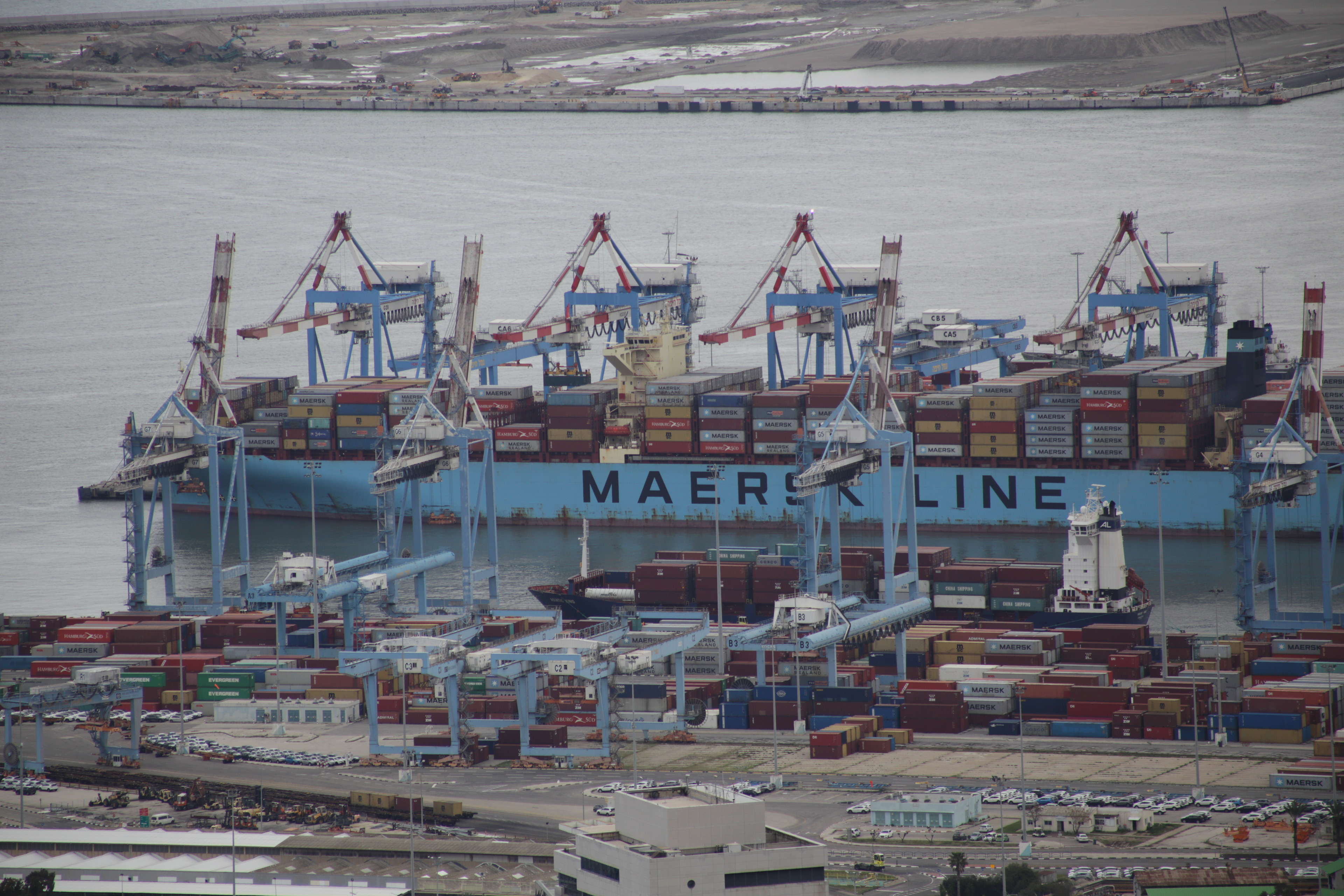
If you’ve ever stood near a port and watched stacked containers rise like colorful Lego towers against the skyline, you know there’s something oddly hypnotic about maritime logistics. The cranes choreograph their movements like patient mechanical dancers, lifting steel boxes filled with stories, hopes, and sometimes fresh apples or a single lab machine worth millions. Workers on the ground know the rhythm: waiting, securing, inspecting, signaling. Offshore, the ships face their own reality. Long weeks at sea, unpredictable storms, quiet sunrises, and a sense of isolation that can be both beautiful and crushing. Sailors still speak of the ocean with a mix of respect and superstition—you don’t conquer it, you coexist with it.
What makes World Maritime Day feel meaningful rather than symbolic is that the industry is undergoing one of its biggest transitions in history. Cleaner fuels, autonomous navigation, AI-powered routing, greener ports, and new maritime safety conventions hint at a future where shipping is not just efficient but also sustainable. This year’s theme, centered on safety and environmental stewardship (the themes change annually, but the tone remains consistent), is a quiet acknowledgment that efficiency isn’t enough if the price is fragile ecosystems or unsafe working conditions.
And maybe it’s a good day to think about how invisible logistics shape visible life. Next time you unwrap something new, drink imported wine, or walk past a container ship rolling slowly along the horizon, there’s a strange comfort in remembering that thousands of people, working across time zones and oceans, make modern civilization function—mostly silently, mostly without applause. World Maritime Day is that small pulse once a year that says: we see you, sea lanes, ship crews, maritime engineers, port operators, and everyone keeping the global tide moving.