The Day the World Waited, 23 March 2021, Suez Canal
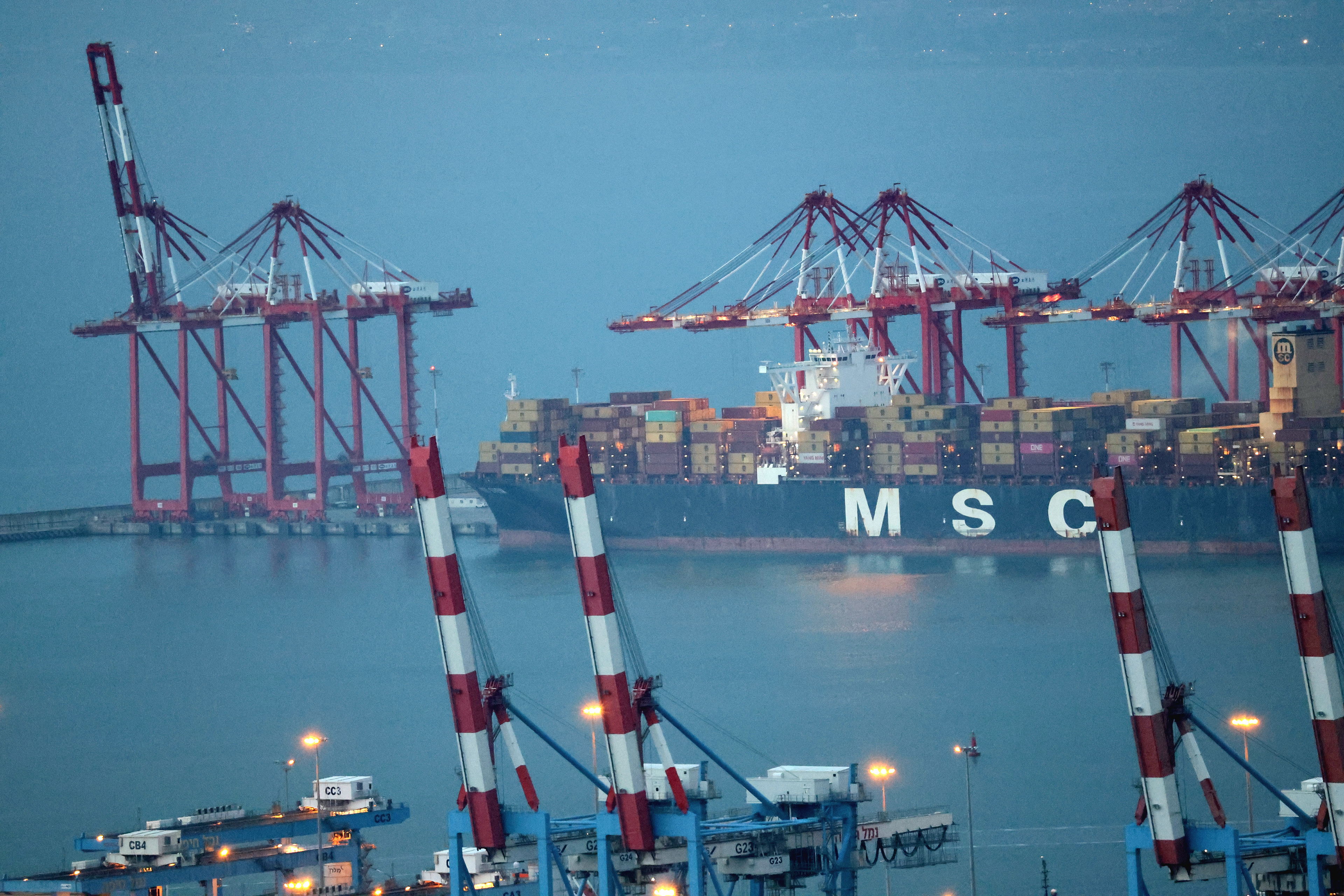
The image fits almost too well with that strange Tuesday in March when global trade briefly forgot how to move. A container ship dominates the frame, stacked high with steel boxes that look orderly, obedient, almost serene, while cranes stand frozen around it like enormous metronomes paused mid-swing. The water is calm, the light subdued, the whole scene caught in that blue-grey hour when nothing feels urgent yet everything quietly is. This visual stillness echoes the mood of 23 March 2021, the day the Ever Given ran aground in the Suez Canal and global shipping slipped into an involuntary holding pattern. For hours, then days, the world’s most optimized logistics systems were forced to wait, just like this ship appears to be waiting here.
That day didn’t begin with drama. It began with schedules. Thousands of vessels, many operated by companies like MSC, were moving according to meticulously planned routes, synchronized with ports, cranes, crews, insurance windows, and delivery promises already sold months in advance. Then a single vessel, nudged by wind and human error, turned sideways, and suddenly time stopped flowing the way it was supposed to. Not history-stopping time, not headline-grabbing time at first—just operational time clogging up. The kind of time that exists in spreadsheets, tracking dashboards, and delayed notifications piling up in inboxes across continents.
Looking at the cranes in the image, it’s hard not to think about how dependent modern timekeeping has become on physical motion. Containers don’t just carry goods; they carry expectations. When they pause, time stretches. Factories wait. Shelves wait. Contracts wait. Even money hesitates. On 23 March, over 400 ships ended up waiting at anchor, each one becoming a floating bookmark in the global calendar, marking a day when “just in time” quietly turned into “whenever possible.” The calm surface of the water in the photo feels almost ironic in that context, as if the environment itself was unimpressed by humanity’s impatience.
What makes that date linger is not the scale of the disruption—though it was enormous—but the way it exposed how fragile linear time really is. Shipping runs on the illusion that tomorrow will arrive on schedule. The Ever Given incident broke that illusion without explosions, without violence, without even much noise. Just steel, water, and immobility. The cranes, like the ones shown here, didn’t rebel or rush. They simply waited for permission to resume their rhythm. Lift. Move. Lower. Pause. Repeat. Time, reduced to choreography.
This image could easily have been taken on that exact day, somewhere far from the canal yet deeply connected to it. That’s the unsettling part. On 23 March 2021, ports around the world looked exactly like this—ships present but inactive, infrastructure ready but unused, lights on because it was that hour, not because progress was happening. A reminder that time isn’t only measured by clocks or dates, but by flow. And when flow stops, even briefly, we notice how much of our world exists in the waiting.