New York, June 28, 1969: Permission Nobody Waited For
New York doesn’t ask before it changes. It just does it, usually at night, usually on a street that hasn’t made it onto any map that matters yet. Christopher Street in Greenwich Village looked like all the others on June 28, 1969—low brick buildings, a bar with blacked-out windows, the kind of block the city was still making up its mind about. By morning it had a different weight. Not a monument yet, not a landmark, just a corner where something cracked open and couldn’t be sealed back.
The Stonewall Inn was not a beautiful place. It was run by the mob, served watered-down drinks, and operated under the constant threat of police raids that were less about law and more about routine humiliation. The patrons knew this. They came anyway, because the alternative was invisibility at a scale that wore you down quietly. On that particular Friday night, officers arrived expecting the usual compliance—the looking away, the names taken, the dispersal. Instead someone threw something. Then someone else did. The choreography broke. People stepped out of their assigned roles mid-scene, mid-summer, mid-life, and the city—indifferent as always, busy with ten other things—made room for it anyway, the way New York always does when something real is happening on its streets.
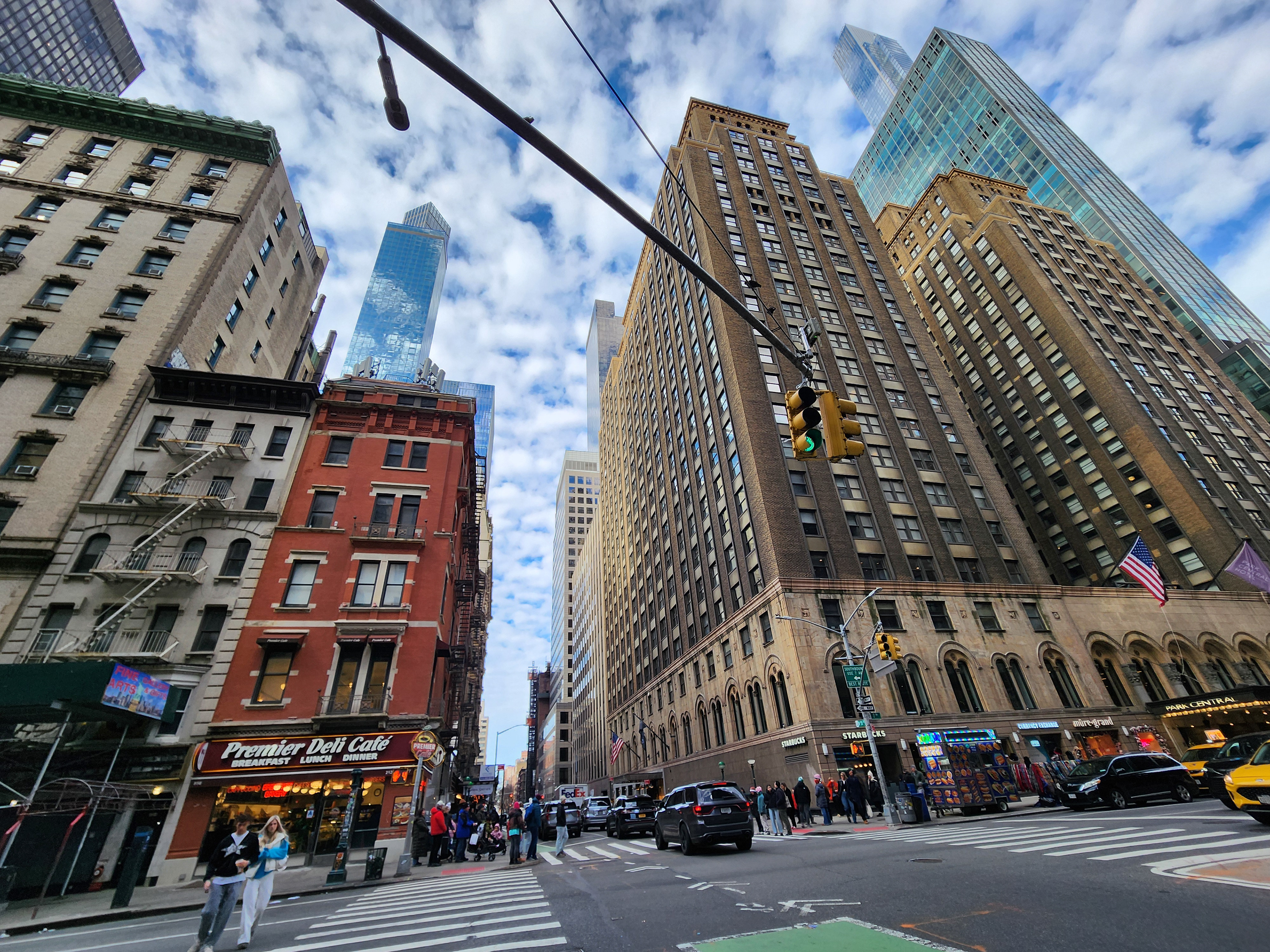
What makes it feel so New York is that nobody planned the skyline shift. The Stonewall uprising lasted several days, spilled across the Village, and drew people out of buildings and brownstones who hadn’t intended to be part of anything larger than Tuesday. Time periods stacked vertically here too—the prewar tenements watching, the newer buildings going up around the corner, capital arriving late and loudly while the old neighborhood kept its own hours. Nobody asked permission. That was precisely the point. The green light had been hanging there, slightly off balance, glowing with municipal authority, and for once a critical mass of people stopped pretending they needed it to cross.
The mood that settled afterward was not triumph so much as awareness. A familiar New York shift: not what you wanted to happen, but what had to. You feel small against that kind of history, but not erased. The Village absorbed it the way the city absorbs everything—by building over it, building around it, eventually building a bronze plaque and calling it heritage. But the real thing happened before any of that, in the brief window when it was just a street and some people who had stopped asking. That moment is what the photograph always tries to catch and never quite does: the instant before the shutter closes, when someone has finally looked up, recalibrated their scale, and decided not to walk back inside. The city keeps going, dense and impatient and oddly tender. It was already building the next version of itself right over their footprints.